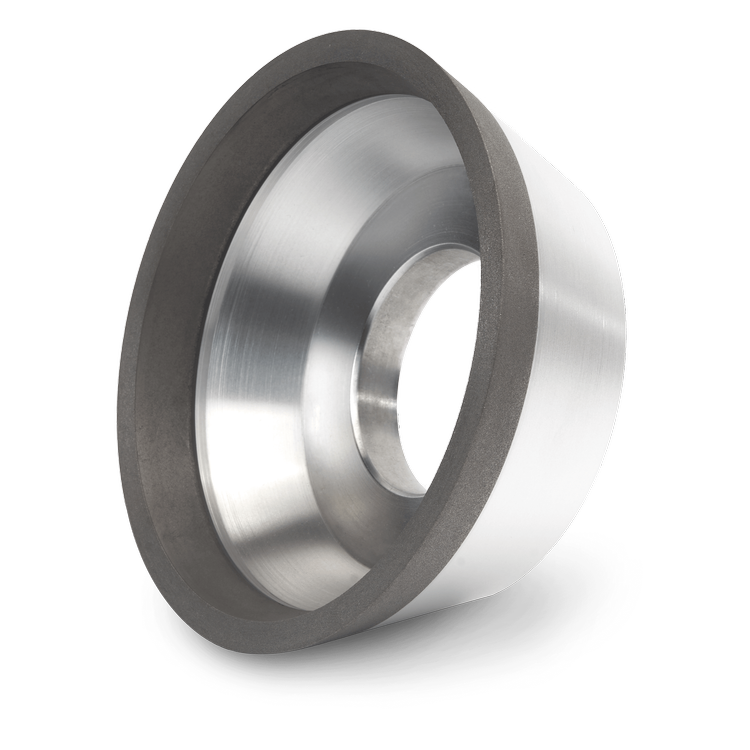
In the realm of industrial grinding, the innovation of hybrid bond grinding wheels has emerged as a formidable advancement. These specialized tools combine the best attributes of resin and metal bonds, offering a unique blend of performance and longevity. As industries across the globe continue to demand higher precision and efficiency, the adoption of hybrid bond wheels becomes increasingly relevant. This article delves into the myriad benefits of hybrid bond grinding wheels, highlighting their advantages in various applications and why they are becoming the go-to choice for many professionals.
Understanding Hybrid Bond Grinding Wheels
Hybrid bond grinding wheels are engineered to incorporate the strengths of both resin and metal bonds, creating a versatile tool that excels in numerous grinding applications. This combination allows these wheels to offer:
- Increased durability compared to traditional resin bonds.
- Enhanced cutting performance, similar to that of metal bonds.
- Improved thermal conductivity, reducing overheating during use.
- Flexibility in application across different materials.
Advantages of Hybrid Bond Grinding Wheels
Extended Wheel Life
The hybrid bond structure significantly enhances the longevity of grinding wheels. By integrating metal bonds, which are known for their durability, with the flexibility of resin bonds, these wheels can withstand more demanding conditions. This results in fewer wheel replacements and reduced downtime, leading to cost savings in the long run. Discover expert strategies here on optimizing wheel life.
Superior Cutting Efficiency
Hybrid bond grinding wheels are designed to provide superior cutting efficiency. The combination of resin and metal bonds allows for a sharper cutting edge that maintains its efficacy over a longer period. This enhances productivity and ensures precision in tasks, vital for industries where accuracy is paramount. Learn about our tailored solutions to maximize cutting efficiency in various applications.
Versatility Across Applications
One of the standout benefits of hybrid bond grinding wheels is their versatility. These wheels can be used across a wide range of materials, including hard metals and softer materials, without compromising on performance. This adaptability makes them a preferred choice for industries with diverse grinding needs. Explore advanced guides and tips on utilizing these wheels for different materials and applications.
Considerations for Implementation
When integrating hybrid bond grinding wheels into a production process, several factors should be considered to ensure optimal performance:
- Machine compatibility: Ensuring that the grinding machinery can accommodate hybrid bond wheels is crucial.
- Operator training: Proper training on the use of these wheels can enhance their effectiveness and safety.
- Application-specific customization: Tailoring the wheel specifications to the specific needs of the task can further improve outcomes.
Incorporating these considerations can significantly enhance the performance and benefits of hybrid bond grinding wheels in any industrial setting. Find out more about this approach to implement hybrid bond wheels effectively.
Conclusion
The emergence of hybrid bond grinding wheels marks a significant leap forward in grinding technology. Their combination of durability, efficiency, and versatility makes them an indispensable tool for modern industry professionals. By understanding their benefits and implementing them thoughtfully, businesses can achieve enhanced precision, reduced costs, and greater productivity. For further insights and expert advice on hybrid bond grinding wheels, visit this comprehensive resource.