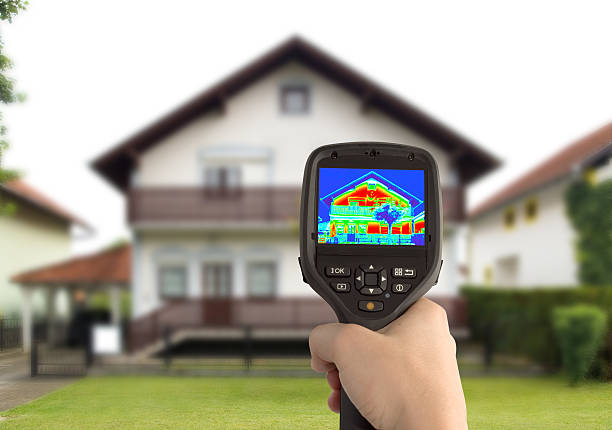
In an era where energy conservation is paramount, enhancing the energy efficiency of residential spaces is not just a trend but a necessity. Insulation plays a pivotal role in this endeavor, acting as the unsung hero in reducing energy consumption and optimizing comfort within homes. With the right energy efficient insulation in place, homeowners can experience substantial savings on energy bills, a reduced carbon footprint, and an improved indoor environment.
The Importance of Energy Efficient Insulation
Insulation serves as a barrier to heat loss and gain, making it essential for maintaining a consistent indoor temperature. This is particularly important in regions with extreme weather conditions. By installing energy efficient insulation, homeowners can prevent the unnecessary flow of heat, which can otherwise lead to increased energy usage and costs.
Benefits of Superior Insulation
- Reduces energy consumption, leading to lower utility bills.
- Minimizes environmental impact by lowering carbon emissions.
- Enhances indoor comfort by maintaining stable temperatures.
- Reduces noise pollution from the outside environment.
- Increases the overall value of the property.
Types of Energy Efficient Insulation Materials
Choosing the right insulation material is crucial for maximizing energy efficiency. Several options are available, each with unique properties and applications.
Fiberglass Insulation
Fiberglass is one of the most common materials used in insulation due to its cost-effectiveness and thermal resistance. It is available in batts and loose-fill forms, making it versatile for various applications.
Foam Board Insulation
Foam board insulation offers a high insulating value for relatively little thickness, making it ideal for areas with limited space. It is often used in unfinished walls, floors, and ceilings.
Spray Foam Insulation
Known for its ability to fill even the smallest gaps and cracks, spray foam insulation provides an airtight seal, significantly boosting energy efficiency. It is particularly effective in hard-to-reach areas.
Installing Energy Efficient Insulation: Key Considerations
When planning to upgrade a home’s insulation, several considerations should be taken into account to ensure maximum efficiency and effectiveness.
Assessing Existing Insulation
Before installing new insulation, it’s crucial to evaluate the current state of existing insulation. This assessment helps in identifying areas that require improvement or replacement.
Professional Installation vs. DIY
While some insulation types are suitable for DIY projects, others, such as spray foam, may require professional installation to ensure safety and effectiveness. Weigh the pros and cons of each approach to make an informed decision.
Regional Climate Considerations
The choice of insulation should align with regional climate conditions. For instance, homes in colder climates may benefit from thicker insulation compared to those in milder regions.
The Future of Home Insulation
As technology advances, the future of home insulation looks promising, with innovative materials and methods emerging. Smart insulation systems that adjust to environmental changes are on the horizon, promising even greater efficiency and sustainability. By staying informed and choosing the right energy efficient insulation, homeowners can ensure their homes are prepared for the future while enjoying immediate benefits.
In conclusion, energy efficient insulation is a vital component of modern home design, offering numerous benefits that extend beyond mere cost savings. By investing in high-quality insulation solutions, homeowners can enhance their living spaces, contribute to environmental conservation, and enjoy a more comfortable and sustainable lifestyle.